History & Development of the Citroën SM
The Citroën SM was the ultimate expression of the famous D‑series sedans. It was conceived as a true grand‑touring car—something that could take you from Paris to Nice in seven hours, in comfort and at speed. For years after its debut, it held the lowest drag coefficient of any production car. It was wildly exotic in appearance, but this new halo car needed something more substantial than the 2,100 cc four‑cylinder used in the DS sedan.
So Citroën did something bold: in 1968, they purchased a controlling interest in Maserati. The primary reason was simple—Citroën wanted Maserati to build an engine worthy of the SM. Maserati responded by taking their existing V8, removing two cylinders, and creating a 2.7‑liter (later 3.0‑liter) V6. This engine was mounted “backwards,” with the transaxle at the front, effectively making the SM a front‑mid‑engined car.
The SM used Citroën’s signature hydraulic system to power the brakes, suspension, and steering. But in the SM, the steering had a unique twist: it automatically returned to center when released, and it featured a variable‑assist system. The faster you went, the less power assist you had. Around town, this made the car feel a bit twitchy if you weren’t accustomed to it. Everyone “overdrives” an SM the first time—they fight the steering instead of letting it do its thing. At motorway speeds, though, it feels great.
The SM debuted in 1971 and was sold in the United States for only the 1972 and 1973 model years. The automotive press adored it, showering it with awards and praise. But then came the 1973 fuel crisis. Citroën was verging on bankruptcy, and the French government essentially forced Peugeot to acquire the company. Peugeot leadership—never fond of Citroën’s engineering eccentricities or the SM’s acclaim—quickly ended the program. Citroën was absorbed into the PSA Group, Maserati was sold off in 1975, and several unfinished SMs were reportedly crushed, along with the spirits of lingering Citroën loyalists.
Yet the French public loved Citroën too much to let the brand die. The new Citroën CX launched in 1974 and became a major success. But Citroën’s dream of a true “supercar” lived only briefly in the SM.
Restoration & Upgrades to This Particular SM
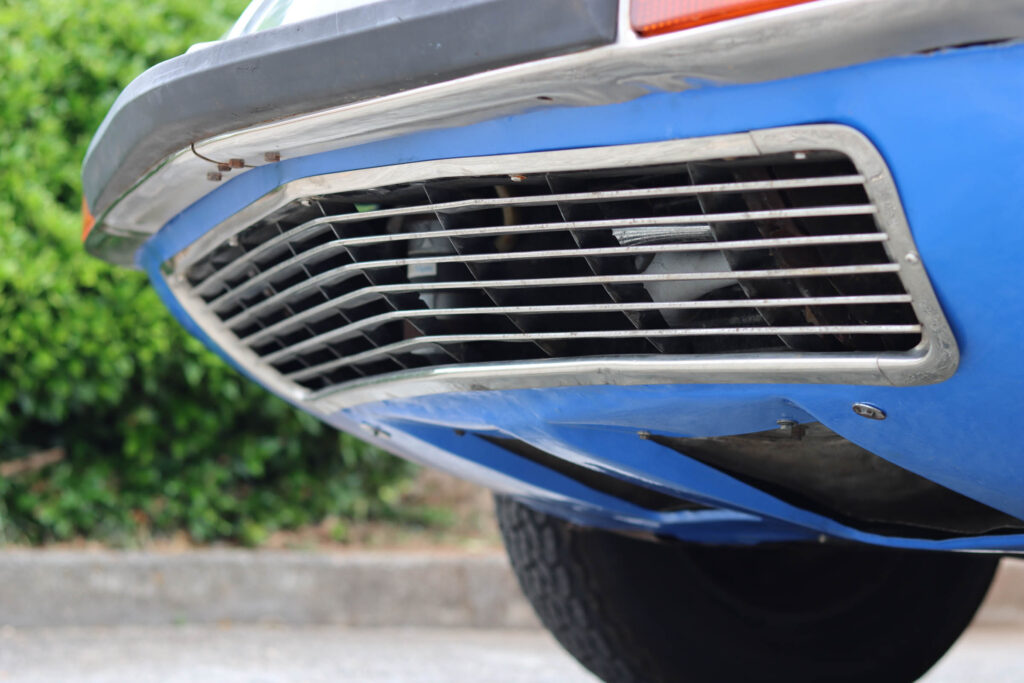
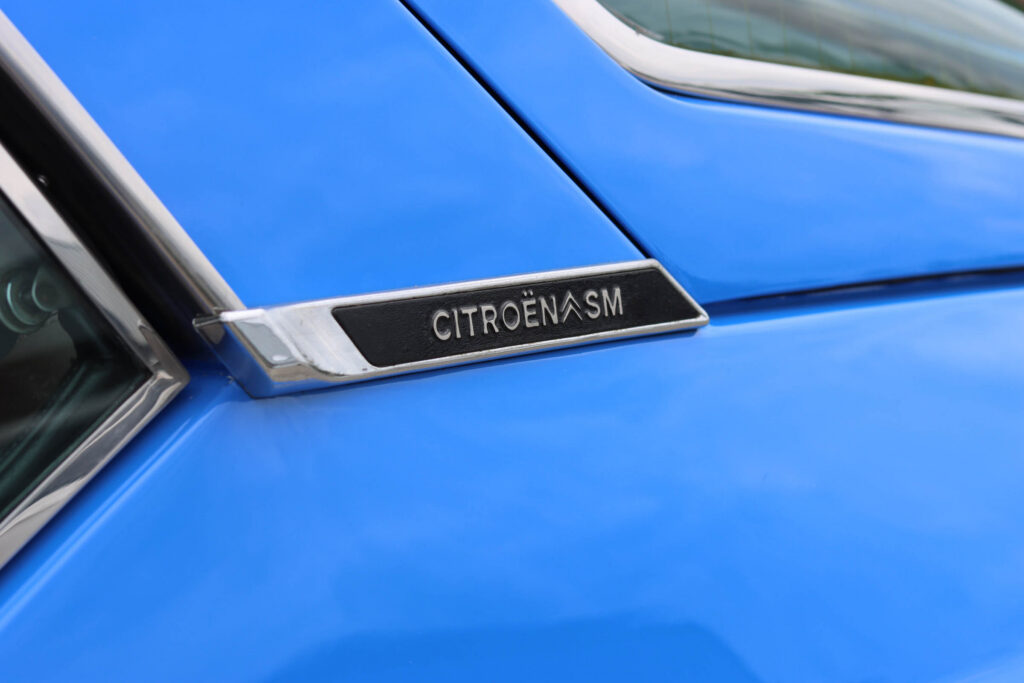
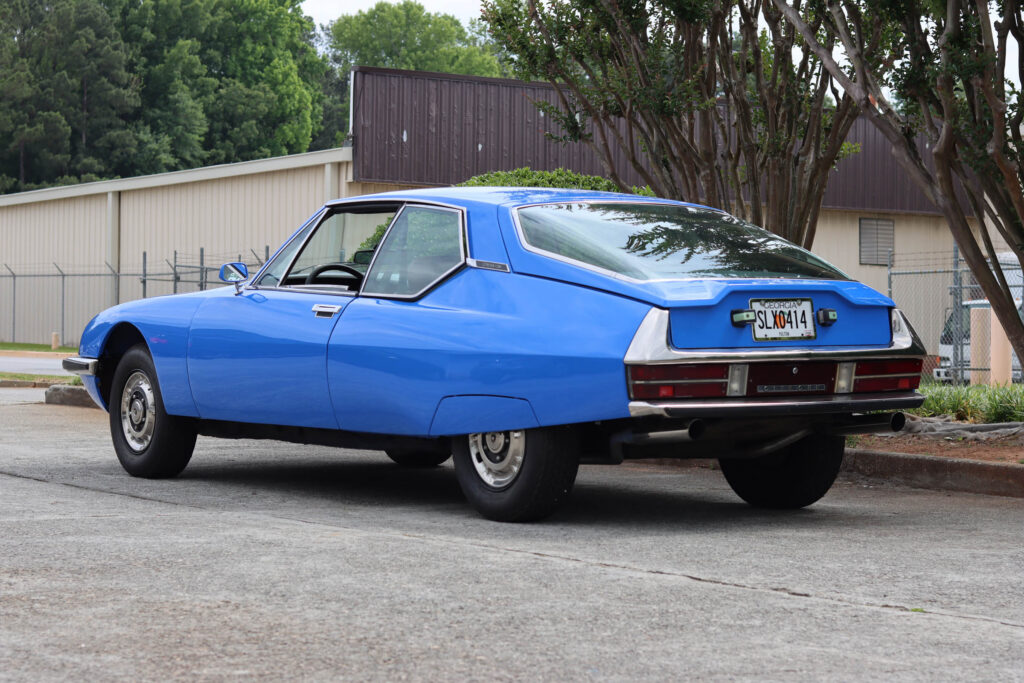
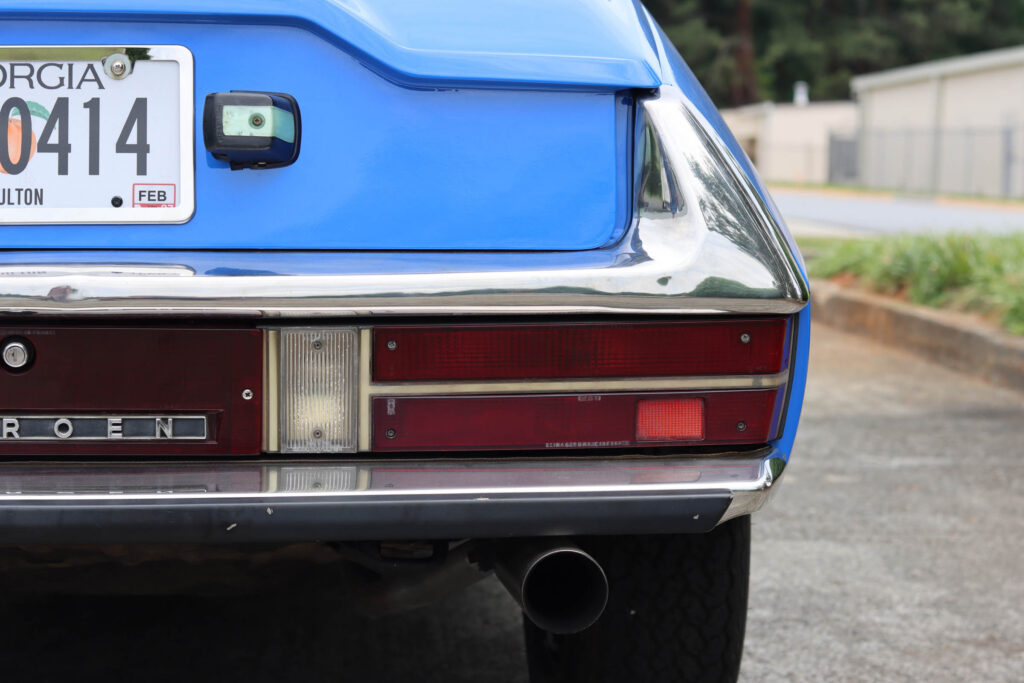
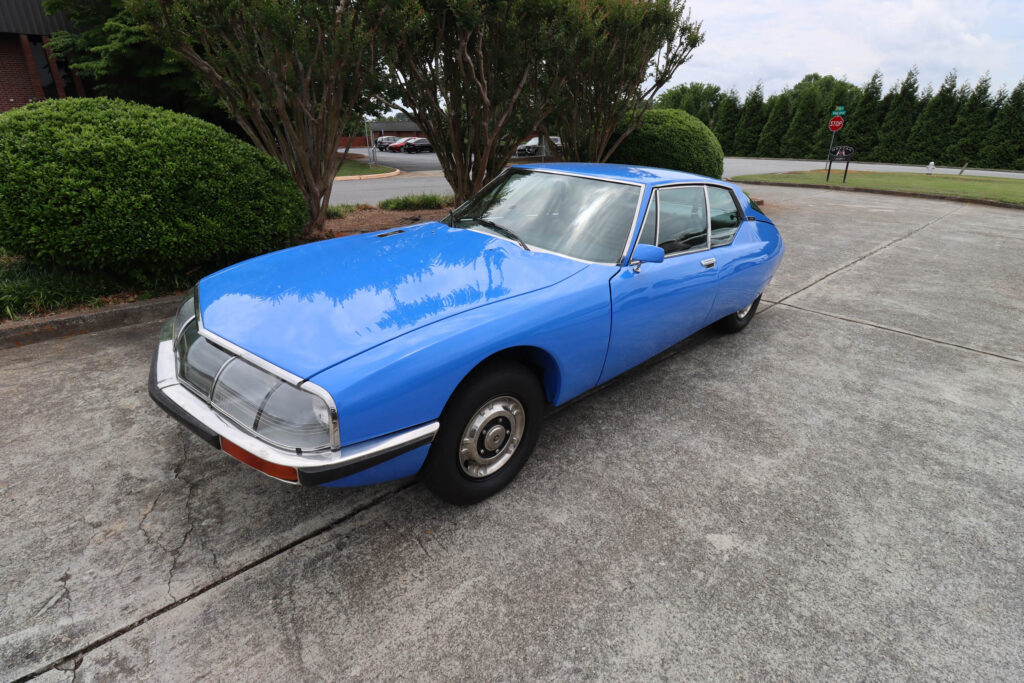
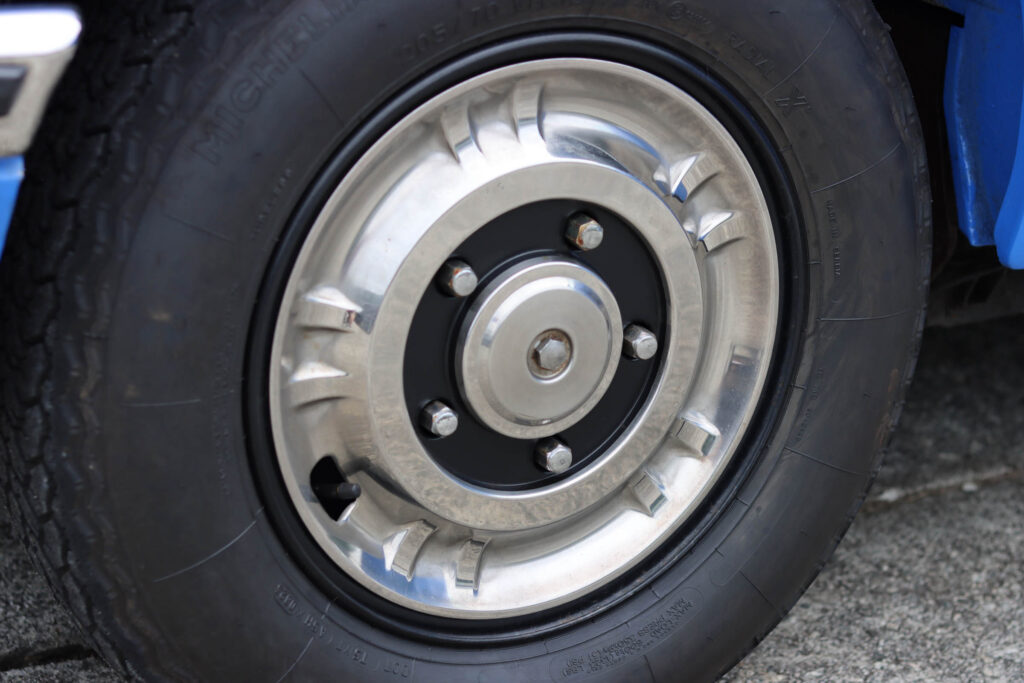
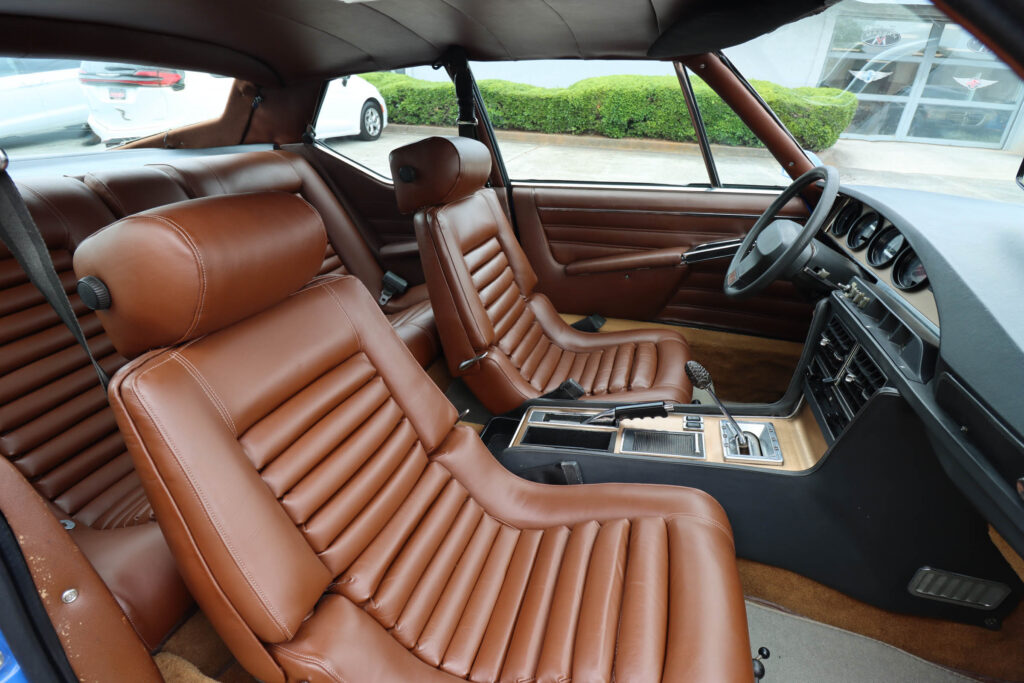
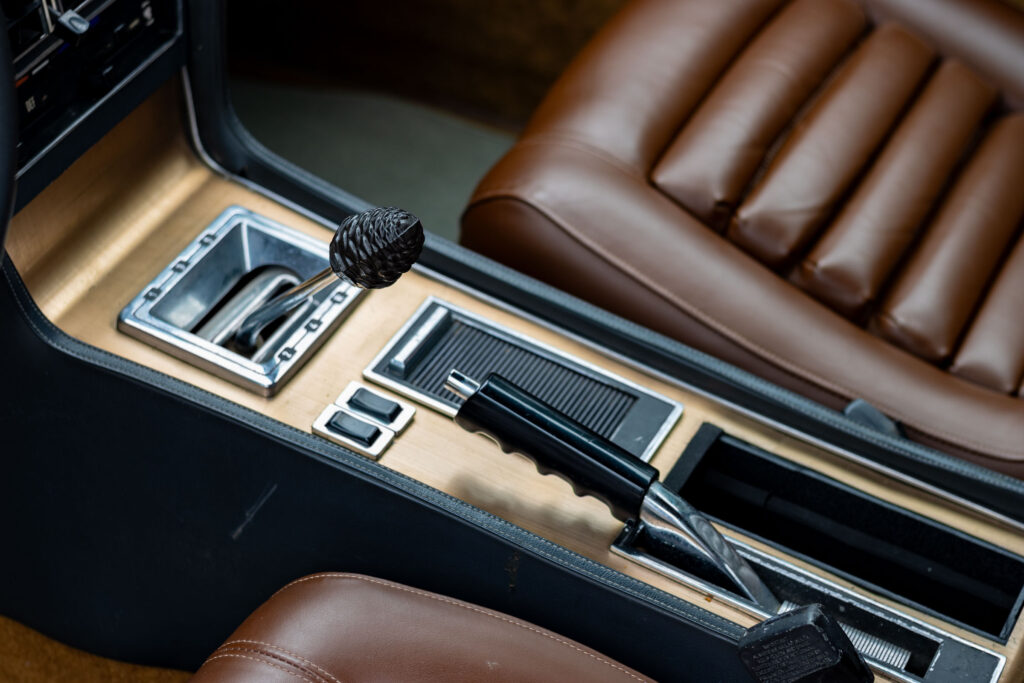
This particular SM has spent its entire life in California. Its engine was refreshed by one of the top specialists in the Los Angeles area, and the previous owner invested $7,000 in redoing the complex leather interior. When I acquired the car, it still wore its original color—an unflattering shade I disparagingly call “Turd Brown.” We repainted it in genuine Bugatti Veyron Blue (at $2,100 per gallon—gulp!), fitted new correct Michelin tires, and installed the covered‑glass European headlights.
The result is a car ready to drive anywhere, with cold air conditioning and the unmistakable presence of a world‑class grand tourer from the early 1970s.